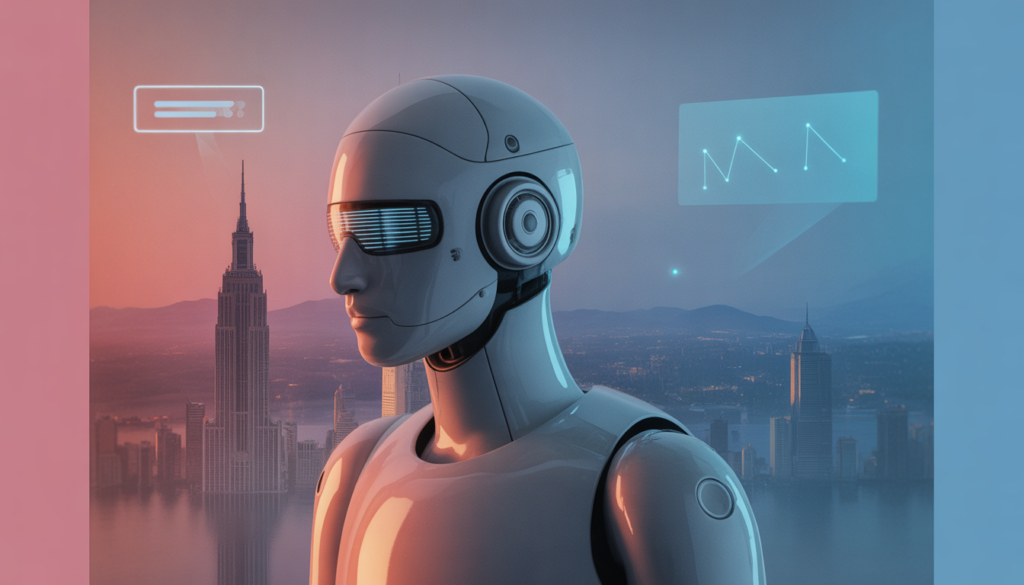
AI is changing what a single employee can perform at the company, according to Meta CEO Mark Zuckerberg, indicating that the company is implementing a new hiring strategy.
Mark Zuckerberg, the CEO of Meta, stated that the firm is investing in more AI-native tools to elevate individual contributors and flatten teams during an earnings call with analysts on Thursday. However, a shortage of computational resources is slightly limiting the endeavor.
Projects that once required large teams are increasingly being completed by a single highly talented individual, he said. The idea is to ensure that as many of these exceptionally talented people select Meta as a place where they can make the most impact.
The parent company of Facebook and Instagram stated that it intends to increase AI expenditure by 60% to 87% this year after reporting fourth-quarter revenue and earnings that above Wall Street’s forecasts. Additionally, Meta said that its output per engineer increased significantly last year, with the adoption of agentic code accounting for the majority of that gain.
During the earnings call, finance head Susan Li stated that the company is still looking for top talent even though teams are expected to get smaller. “It remains a very competitive hiring market, but we’d like to invest aggressively where we can,” she stated.
Li said that due to hiring in areas including monetization, infrastructure, Meta Superintelligence Labs, regulation, and compliance, Meta completed the December-ended quarter with 6% more workers than it had a year prior.
Meta is not the only company that prioritizes small teams. In the startup industry, where entrepreneurs have long valued scrappiness, the strategy has gained popularity. Sam Altman, CEO of OpenAI, projected that this trend will pick up steam in February 2024. He stated at the time, “We’re going to see 10-person companies with billion-dollar valuations pretty soon.” “In my small group chat with my pals who are tech CEOs, there is a betting pool for the first year that a one-person, billion-dollar company will exist. Without AI, this would have been unthinkable. And now it will happen.”
In the meantime, big businesses like Amazon and Intel have been lowering the number of middle managers in order to increase productivity by cutting bureaucracy. In 2023, Zuckerberg of Meta authored a message titled “Flatter is faster,” and in late 2024, Google CEO Sundar Pichai informed employees that the business was cutting manager and vice president positions by 10% as part of an effort to increase efficiency.
This is not just a trend in tech companies. Managers have been transferred into non-management positions by retailers like Walmart and Wayfair as well as fintech companies like Block. Additionally, there have been several rounds of mass layoffs at other companies. Amazon announced on Wednesday that it would eliminate 16,000 corporate jobs, marking the company’s second round of layoffs in four months.
During its results call, Meta stated that a lack of compute resources is impeding its objective of being able to rely on fewer highly AI-savvy staff because the company’s overall demand has grown faster than its supply. Zuckerberg was yet optimistic about his prospects for increased efficiency. I think that 2026 is going to be the year that AI starts to profoundly impact the way that we work,” he remarked. “As we navigate this, our North Star is building the best place for individuals to make a massive impact.”